
Understanding how lighting affects temperature balance inside cases
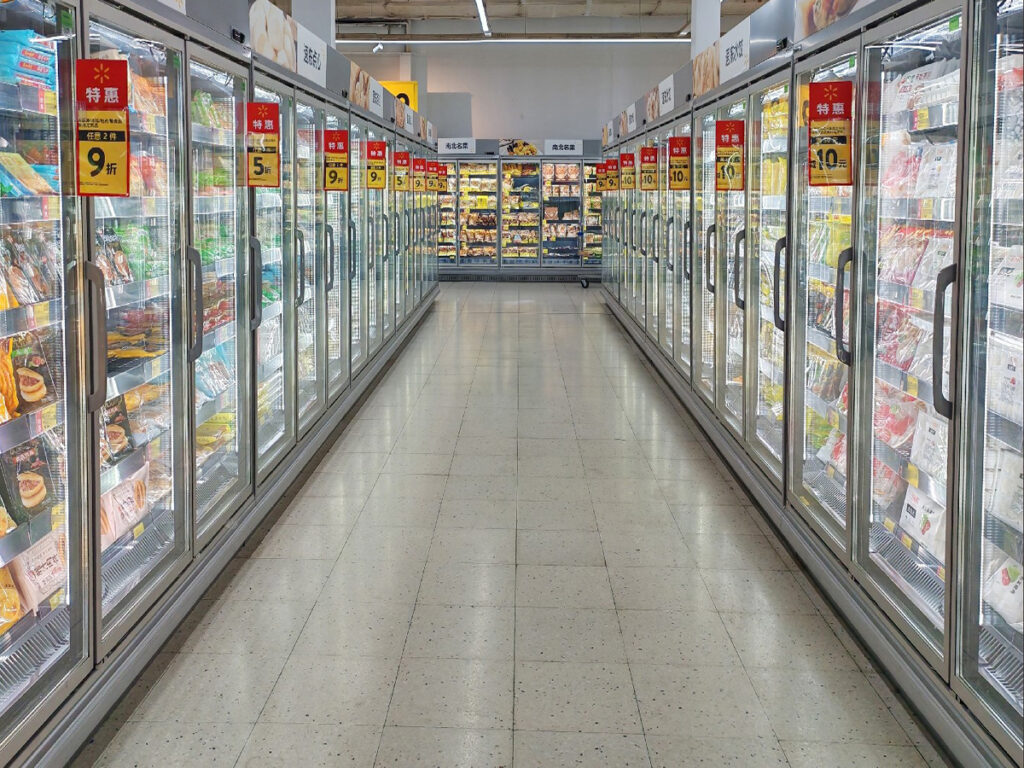
In refrigerated display cases, maintaining consistent temperature is critical for food safety and product quality. Lighting is often overlooked as a source of heat that can influence case temperatures, impacting both perishable products and energy consumption. High-heat lighting can increase refrigeration load, accelerate spoilage, and reduce the efficiency of display cases. Understanding how lighting contributes to temperature fluctuations is essential for grocery stores, butcher shops, and bakeries that rely on refrigerated displays.
Low-heat, UV-free LED lighting, such as Promolux, is designed to provide bright, color-accurate illumination while minimizing heat output, ensuring temperature balance and food preservation.
Why Lighting Heat Matters in Refrigerated Cases
- Temperature Stability
- Excess heat from traditional lighting increases case temperature
- Even minor fluctuations can affect fresh meats, dairy, seafood, and baked goods
- Food Safety
- Higher temperatures accelerate bacterial growth in sensitive products
- Maintaining consistent refrigeration ensures compliance with health standards
- Energy Consumption
- Heat from lights forces refrigeration systems to work harder
- Increases electricity usage and operating costs
- Product Shelf Life
- Heat can cause moisture loss, drying, and discoloration in displayed items
- Proper lighting preserves freshness, appearance, and quality
Common Lighting Sources and Their Heat Effects
- Halogen and Incandescent Bulbs
- Produce significant heat that raises case temperature
- Can dry out surfaces of meat, seafood, and baked goods
- Fluorescent Tubes
- Emit moderate heat and UV radiation
- May accelerate spoilage and color changes in sensitive product
- Traditional LEDs
- Often cooler than halogen but may still produce some heat
- Long-term exposure can affect refrigerated products if fixtures are poorly placed
- Food-Focused LEDs
- Promolux LEDs are low-heat, UV-free, and designed to minimize impact on case temperature
- Preserve color, texture, and freshness while maintaining refrigeration efficiency
Best Practices for Minimizing Heat Impact
- Use Low-Heat, Food-Focused LEDs
- Promolux LEDs deliver high-CPI, color-accurate light without generating significant heat
- Suitable for meat, seafood, dairy, and bakery displays
- Proper Fixture Placement
- Position lights to avoid direct heat on sensitive products
- Use under-shelf, top-shelf, and angled placement for even illumination
- Layered and Diffused Lighting
- Evenly distributed light reduces hotspots
- Prevents localized temperature increases and preserves product quality
- Regular Monitoring
- Measure case temperature with thermometers to ensure lighting does not cause fluctuations
- Adjust lighting intensity or placement if temperature changes are detected
Long-tail keywords naturally added: low-heat LED lighting for refrigerated displays, Promolux LED impact on case temperature, temperature management in food display cases
Impact on Refrigeration Systems
- Reduced Load on Cooling Units
- Low-heat LEDs reduce extra work for compressors
- Extends the lifespan of refrigeration equipment
- Energy Efficiency
- Less heat means refrigeration uses less electricity
- Helps stores achieve lower operational costs
- Improved Product Preservation
- Stable temperatures prevent moisture loss, color changes, and spoilage
- Maintains freshness for extended shelf life
- Environmental Benefits
- Lower energy consumption reduces carbon footprint
- Supports sustainable retail operations
Practical Implementation Tips
- Top Shelves
- Use angled, high-CPI LEDs to highlight premium cuts or high-value products without adding heat
- Avoid direct overhead exposure to heat-sensitive items
- Middle Shelves
- Layered lighting ensures even illumination for dairy, meat, and packaged goods
- Prevents uneven heating and shadowing
- Bottom Shelves
- Under-shelf LED strips illuminate lower products while keeping heat away
- Maintains consistent temperature throughout the case
- Ambient Store Lighting
- Complement food-focused LEDs with ambient lighting to reduce overall energy consumption
- Avoid overly bright or colored lights that may require higher refrigeration power
Benefits of Low-Heat LED Lighting
- Temperature Control:- Minimizes impact on case cooling and prevents hot spots
- Energy Savings:- Reduced load on refrigeration units lowers electricity costs
- Product Quality:- Maintains natural colors, moisture, and texture in meat, seafood, dairy, and baked goods
- Reduced Waste Consistent temperatures prevent spoilage and unsold products
- Sustainable Operations:- Energy-efficient lighting and refrigeration support eco-friendly practices
Example in Practice
- Meat and Seafood Cases: Promolux LEDs provide low-heat illumination that preserves freshness without increasing refrigeration load
- Dairy Displays: Milk, cheese, and yogurt maintain color and quality even under continuous lighting
- Bakery Refrigerated Cases: Desserts, cream-based pastries, and cold items remain unaffected by heat from display lights
By implementing low-heat, food-focused LED lighting, retailers maintain consistent case temperatures, extend product shelf life, and reduce energy consumption.
Conclusion
Heat output from display lighting can significantly affect refrigeration systems, product quality, and energy consumption. Traditional lighting sources generate heat that increases case temperature, accelerates spoilage, and forces cooling units to work harder. Low-heat, UV-free, high-CPI LEDs such as Promolux provide bright, color-accurate illumination while minimizing heat impact. Proper fixture placement, layered lighting, and temperature monitoring ensure consistent refrigeration, enhance product freshness, and improve operational efficiency.
By choosing food-focused LED lighting, grocery stores, butcher shops, and bakeries can protect their products, reduce waste, lower energy costs, and create visually appealing displays that inspire customer confidence.
Call to Action
For LED lighting solutions that minimize heat impact and protect refrigerated products, visit: www.refrigerationlighting.com