
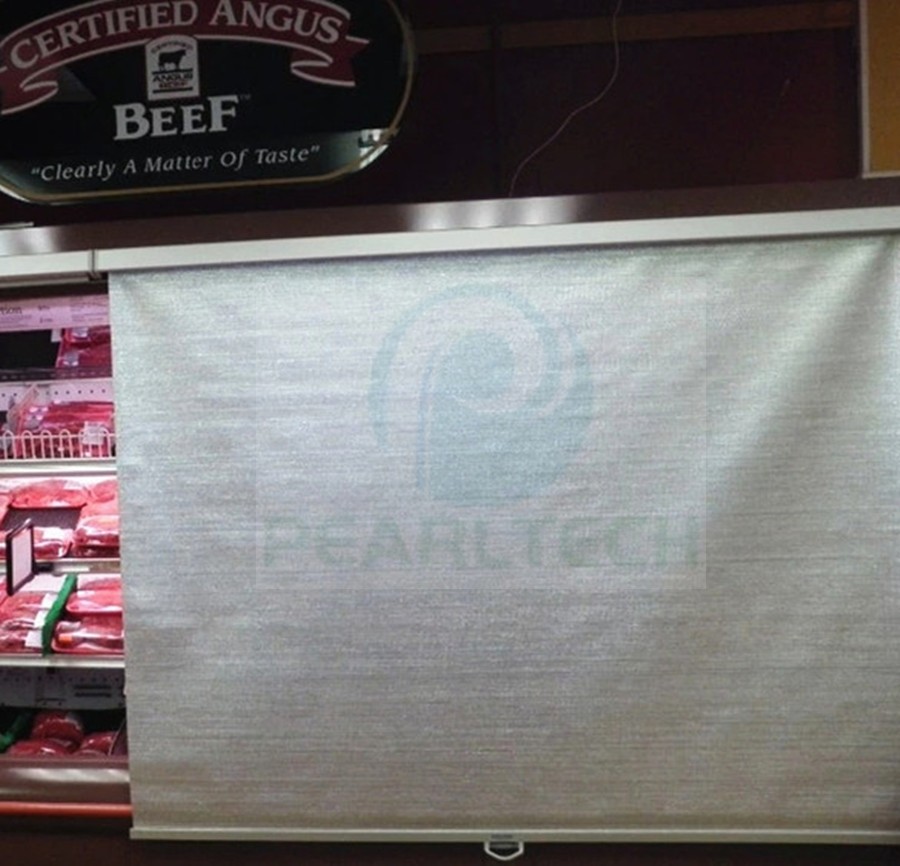
Why implementation consistency becomes difficult across multiple locations
Introduction
Multi location grocery chains face a unique operational challenge when it comes to refrigeration efficiency. While individual stores may successfully implement energy saving practices, maintaining consistency across an entire network is significantly more complex. One of the most effective yet inconsistently applied solutions is the use of night covers for refrigerated display cases, which help reduce energy loss during non operating hours.
In large retail networks, refrigeration systems operate under different conditions, staff behaviors vary, and store formats are not always identical. This leads to inconsistent application of energy saving tools such as commercial refrigeration night covers. As a result, some stores achieve strong efficiency gains while others continue to waste energy unnecessarily.
Retailers that prioritize grocery store energy management solutions understand that standardization is essential for achieving measurable performance improvements across all locations. This is where structured refrigeration efficiency solutions become critical for operational success.
Why implementation consistency becomes difficult across multiple locations
Differences in store size and layout
One of the main challenges in standardizing night cover programs is variation in store design. Open refrigerated systems differ in size, shape, and configuration across locations. This makes it difficult to apply a single uniform solution.
Even when using open refrigerated display case covers, adjustments are often needed to ensure proper fit and effectiveness in each store environment.
Variation in staff training and operational discipline
In multi location chains, staff training levels vary significantly. Some teams consistently apply supermarket night covers, while others may forget or incorrectly install them during closing procedures.
This inconsistency reduces overall program effectiveness and leads to uneven energy savings across the network.
Lack of standardized refrigeration protocols
Many retail chains do not have fully standardized closing procedures for refrigeration systems. Without clear protocols, the use of refrigeration night cover solutions becomes optional rather than mandatory.
This creates gaps in performance and reduces the impact of energy efficiency initiatives.
Different refrigeration system conditions
Older stores may have outdated refrigeration systems, while newer stores use more advanced equipment. This variation affects how cold air retention refrigerated display solutions perform across locations.
As a result, efficiency improvements are not always uniform.
How grocery chains can standardize night cover programs
- When covers must be applied
- How they should be installed
- Who is responsible for compliance
- Easier staff training
- Consistent performance outcomes
- Reduced operational confusion
- Installation procedures
- Energy efficiency benefits
- Daily closing checklists
Benefits of standardized night cover programs
Consistent energy savings across all stores
Standardization ensures that every location benefits equally from reduced overnight energy consumption. This contributes directly to supermarket refrigeration cost reduction goals.
Improved cold air retention performance
When properly implemented across all stores, cold air retention refrigerated display systems deliver consistent temperature stability and reduced energy loss.
Better corporate sustainability performance
Uniform adoption of supermarket sustainability refrigeration practices improves overall environmental performance and helps meet corporate ESG targets.
Reduced operational inefficiencies
Standardization reduces confusion, improves compliance, and ensures that energy saving practices become part of routine operations.
Role of night covers in network wide efficiency strategies
Night covers are a key component of grocery refrigeration energy efficiency programs because they provide a simple, scalable solution that works across different store formats.
Retail chains increasingly integrate supermarket refrigeration retrofit strategies to improve existing infrastructure without major capital investment. Night covers fit perfectly into this approach because they require minimal installation effort and deliver immediate results.
Challenges in maintaining long term consistency
Compliance monitoring across locations
Even with standardized policies, ensuring consistent usage across all stores requires ongoing monitoring and accountability.
Equipment wear and replacement cycles
Over time, open refrigerated display case covers may require replacement. Without centralized tracking, performance can decline in some locations.
Behavioral drift in store operations
Staff may gradually stop following procedures if they are not regularly reinforced through training and audits.
Future of standardized refrigeration efficiency programs
The future of grocery refrigeration efficiency will rely heavily on centralized energy management systems combined with physical efficiency tools like night covers. Retail chains will increasingly use digital monitoring to track compliance and performance across all locations.
However, physical solutions such as supermarket night covers will remain essential because they directly prevent energy loss and do not depend on complex systems to function.
As retailers expand globally, refrigeration efficiency solutions will need to be simple, scalable, and easy to standardize across diverse store environments.
Conclusion
Standardizing night cover programs across multi location grocery chains is essential for achieving consistent refrigeration efficiency and cost savings. While individual stores may see benefits, true impact comes from uniform implementation across the entire network.
By adopting night covers for refrigerated display cases and ensuring consistent use of commercial refrigeration night covers, retailers can improve energy efficiency, reduce operational costs, and strengthen sustainability performance across all locations.
These refrigeration efficiency solutions provide a practical and scalable approach to modern grocery refrigeration management.
For more information on advanced refrigeration cover systems and retail energy solutions, visit https://www.econofrost.com