
A comparison of energy consumption between older and modern lighting systems
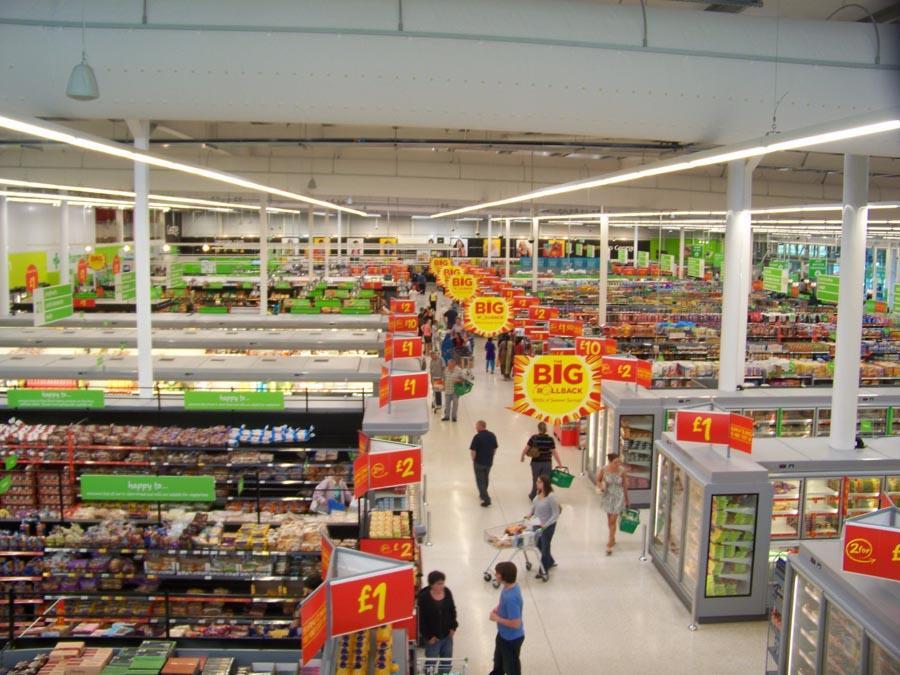
Supermarket refrigeration accounts for a significant portion of energy consumption in grocery stores. While refrigeration units themselves consume the most power, lighting within display cases also contributes to overall energy use. Traditional lighting systems such as fluorescent tubes, halogen, and incandescent bulbs not only use more electricity but also generate heat, forcing refrigeration systems to work harder. In contrast, modern LED lighting, especially food-focused solutions like Promolux, provides energy-efficient illumination that preserves product appearance without adding heat load.
Understanding how LED lighting compares with older systems helps retailers optimize energy consumption, reduce operating costs, and improve environmental sustainability.
Why Energy Efficiency Matters in Supermarket Refrigeration
- Operational Costs
- Refrigerated display cases consume electricity continuously
- High-heat lighting increases compressor workload, raising energy bills
- Product Quality
- Excess heat from traditional lights can raise case temperatures
- Impacts meat, dairy, seafood, and baked goods, leading to spoilage
- Environmental Responsibility
- Reducing electricity usage supports sustainability initiatives
- Lowers carbon footprint of supermarket operations
Comparison Between Older and Modern Lighting Systems
- Fluorescent and Halogen Lighting
- Fluorescent tubes consume more power per lumen compared to LEDs
- Halogen or incandescent bulbs produce significant heat, increasing refrigeration load
- Frequent replacement adds maintenance costs
- Traditional LEDs
- Consume less power than fluorescent or halogen lights
- Some models may still generate moderate heat, affecting case efficiency
- Food-Focused LED Lighting
- Promolux LEDs are high-efficiency, low-heat, and UV-free
- Provide accurate color rendering without increasing refrigeration workload
- Significantly reduce electricity consumption compared to older lighting
Benefits of LED Lighting for Supermarket Refrigeration
- Reduced Electricity Costs
- LEDs consume less energy while providing the same or better illumination
- Low-heat output reduces refrigeration load, further saving energy
- Extended Product Freshness
- Minimal heat prevents drying, color changes, or spoilage
- Ideal for meat, seafood, dairy, and bakery displays
- Low Maintenance
- Longer lifespan than fluorescent or halogen bulbs
- Fewer replacements reduce maintenance time and costs
- Enhanced Visual Appeal
- High-CPI, color-accurate LEDs make products look fresher and more appealing
- Improves customer perception and increases sales
- Long-tail keywords naturally added: Promolux LED energy-efficient lighting for supermarkets, reducing refrigeration energy use with LED display lighting, sustainable supermarket lighting solutions
Practical Implementation Tips
- Top Shelves
- Angle high-CPI LEDs to highlight premium products without generating excess heat
- Reduces energy load while maintaining product visibility
- Middle Shelves
- Layered lighting ensures even illumination across products
- Prevents shadows that can distort product color or texture
- Bottom Shelves
- Under-shelf LEDs maintain consistent visibility and appeal
- Avoids hotspots that increase refrigeration work
- Ambient Store Lighting
- Use neutral ambient
- lights to complement LED display case illumination
- Reduces need for higher-intensity, energy-consuming lighting
Real-World Energy Savings Examples
- Meat and Seafood Displays: Switching to Promolux LEDs lowered total case energy usage by 40–50% while preserving product color and freshness
- Dairy Cases: Low-heat LED lighting reduces compressor operation time, maintaining stable temperatures and lowering energy bills
- Bakery Refrigerated Cases: Even illumination with LEDs reduces maintenance and energy usage compared to fluorescent tubes
Implementing energy-efficient LED lighting ensures all refrigerated products are properly displayed while lowering operating costs.
Environmental and Operational Benefits
- Lower Carbon Footprint:- Reduced electricity consumption decreases greenhouse gas emissions
- Improved Refrigeration Efficiency:- Low-heat LEDs reduce compressor workload, prolonging equipment lifespan
- Decreased Product Waste:- Stable temperatures prevent drying and spoilage
- Sustainability Credentials:- Energy-efficient operations support eco-friendly branding and corporate responsibility initiatives
Conclusion
LED lighting has revolutionized energy use in supermarket refrigeration. Older lighting systems such as fluorescent tubes, halogen, or incandescent bulbs consume more power, produce heat, and increase refrigeration load, negatively impacting product quality and operating costs. In contrast, food-focused LED lighting like Promolux provides high-CPI, low-heat, UV-free illumination that reduces energy consumption, maintains accurate product color, and extends shelf life. Layered, diffused lighting with proper fixture placement further enhances energy efficiency and ensures consistent product presentation.
Switching to LED lighting in refrigerated display cases benefits both the bottom line and the environment, creating a sustainable, visually appealing, and energy-efficient supermarket operation.
Call to Action
For energy-efficient LED lighting solutions for supermarket refrigeration, visit: www.refrigerationlighting.com