
Why refrigeration remains a major sustainability challenge in grocery retail
Introduction
Sustainability has become a central priority for modern grocery retailers, especially as energy costs rise and environmental regulations become stricter. One of the largest contributors to energy consumption in supermarkets is refrigeration, particularly open systems that operate continuously throughout the day and night. In this context, night covers for refrigerated display cases provide a practical and highly effective solution for improving efficiency and supporting sustainability targets.
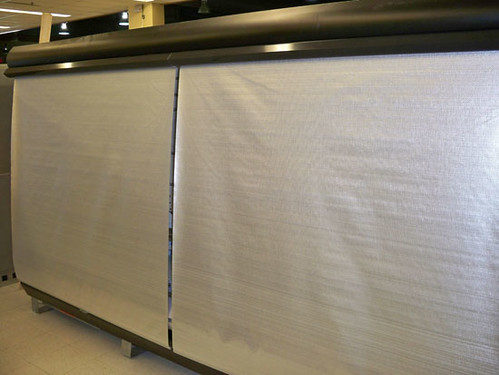
Refrigeration systems are essential for preserving food safety and product quality, but they also represent a major source of energy waste when not optimized. Open cases lose cold air constantly, forcing compressors to work harder and consume more electricity. By using commercial refrigeration night covers, retailers can significantly reduce this waste while maintaining operational performance.
Many grocery chains are now focusing on grocery store energy management solutions that balance operational needs with environmental responsibility. This shift makes refrigeration efficiency solutions a key part of long term sustainability planning.
Why refrigeration remains a major sustainability challenge in grocery retail
How night covers support sustainability in grocery retail
Reducing overnight energy consumption
One of the most effective sustainability benefits of night covers for refrigerated display cases is the reduction of energy use during non operating hours. By preventing cold air loss, they significantly lower electricity demand.
This directly supports overnight refrigeration energy savings across retail operations.
Improving cold air retention efficiency
Cold air retention is critical for reducing energy waste. When air is properly contained, refrigeration systems do not need to work as hard to maintain temperature levels.
Using cold air retention refrigerated display solutions improves system stability and reduces unnecessary energy cycles.
Lowering carbon footprint in retail operations
Reduced energy consumption leads directly to lower greenhouse gas emissions. This helps retailers meet sustainability benchmarks and environmental targets.
Supporting long term ESG strategies
Many grocery retailers are now required to report environmental, social, and governance performance. Efficient refrigeration plays a major role in these reports.
By implementing supermarket night covers, retailers can demonstrate measurable progress toward ESG goals.
Operational benefits that support sustainability goals
Reduced energy costs: Lower electricity usage leads to significant supermarket refrigeration cost reduction, which also supports financial sustainability.
Improved equipment efficiency: When refrigeration systems operate under reduced strain, they become more efficient and require less maintenance.
Extended system lifespan: Lower operational stress reduces wear and tear, extending equipment life and reducing replacement frequency.
Better overall store energy performance: Integrated use of grocery refrigeration energy efficiency strategies improves total store performance.
Role of night covers in modern sustainability programs
Night covers are increasingly recognized as a core component of refrigeration efficiency solutions in grocery retail. They provide a simple yet highly effective method for reducing energy waste without requiring major infrastructure changes.
Retailers are also adopting supermarket refrigeration retrofit strategies to improve existing systems instead of replacing them entirely. Night covers fit perfectly into this approach because they are cost effective, easy to implement, and scalable across multiple store locations.
This makes commercial refrigeration cover solutions an important part of modern sustainability planning.
Why night covers are a practical sustainability solution
Low cost implementation: Night covers require minimal investment compared to full refrigeration upgrades, making them accessible to most retailers.
Immediate measurable impact: Energy savings can be observed quickly after installation, allowing retailers to track sustainability improvements in real time.
Compatibility with existing systems: Refrigerated display case covers can be used with existing equipment without requiring system redesign.
Future of sustainability in grocery refrigeration
The future of grocery refrigeration efficiency will rely on combining smart monitoring systems with practical physical solutions like night covers. While digital systems help track energy usage, physical barriers remain essential for preventing actual energy loss.
As energy costs continue to rise, retailers will increasingly depend on refrigeration efficiency solutions that deliver immediate results while supporting long term environmental goals.
Conclusion
Refrigeration is one of the biggest sustainability challenges in grocery retail due to constant energy consumption and cold air loss from open systems. However, practical solutions such as night covers for refrigerated display cases offer a simple and effective way to address this issue.
By implementing commercial refrigeration night covers and improving supermarket sustainability refrigeration practices, retailers can significantly reduce energy waste, lower operational costs, and support environmental responsibility goals.
These refrigeration efficiency solutions play a crucial role in helping grocery stores achieve both financial and sustainability success.
For more information on advanced refrigeration cover systems and retail energy solutions, visit https://www.econofrost.com