
How certain light conditions speed up or slow down fruit and vegetable deterioration
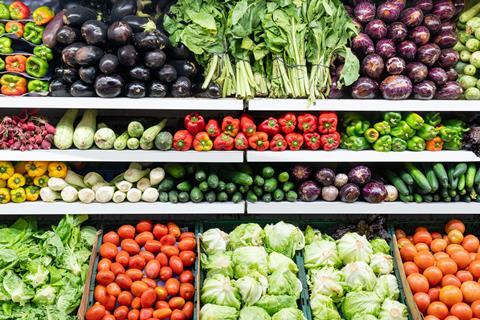
Fresh produce is highly sensitive to environmental conditions, and lighting plays a significant role in maintaining quality and shelf life. In grocery stores, farmers’ markets, and supermarket displays, the type and intensity of light can influence ripening, color, texture, and overall freshness. While natural light and standard store lighting may make fruits and vegetables look appealing, inappropriate lighting can accelerate spoilage and reduce shelf life. Properly designed LED lighting preserves produce quality, extends freshness, and enhances visual appeal, benefiting both retailers and customers.
Promolux and food-focused LEDs are specifically engineered to provide high-CPI, low-heat illumination that minimizes product deterioration while highlighting the natural colors and textures of fruits and vegetables.
Why Light Exposure Affects Fresh Produce
- Ripening and Deterioration
- Light can trigger chemical reactions in fruits and vegetables, such as oxidation or pigment breakdown
- Sensitive produce like berries, leafy greens, and tomatoes can deteriorate faster under harsh or UV-rich lighting
- Color Retention
- Accurate color rendering under LED lighting helps maintain produce appearance
- Prevents dulling or browning that can reduce customer appeal
- Moisture Loss and Drying
- Excessive heat from lights increases water evaporation
- Causes wilted leaves, shriveled skins, and softer textures in fruits and vegetables
- Extended Shelf Life
- Low-heat, UV-free lighting slows chemical reactions and reduces spoilage
- Improves inventory management and reduces waste
Common Lighting Challenges in Produce Displays
- UV and High-Intensity Light
- Can accelerate oxidation and color fading
- Affects vitamin content and visual freshness
- Uneven Illumination
- Shadows on lower shelves make products less visible
- Reduces visual appeal and may lead to overlooked or unsold items
- Heat Generation
- Traditional lighting emits heat that can increase produce respiration
- Leads to quicker spoilage and moisture loss
- Glare and Reflections
- Shiny skins of apples, tomatoes, and grapes reflect light
- Can obscure labels or distort appearance
Best Practices for Lighting Fresh Produce
- High-CRI, Low-Heat LEDs
- Promolux LEDs accurately display colors while minimizing heat exposure
- Preserves texture, natural color, and nutrient content
- Layered Lighting
- Combine overhead, middle, and under-shelf LEDs for even illumination
- Prevents shadows and ensures every product is visually appealing
- Diffused Fixtures and Proper Angling
- Reduces glare on reflective surfaces like apples, peppers, and cucumbers
- Highlights textures and maintains natural appearance
- Avoid Direct UV Exposure
- UV-free lighting prevents color fading, oxidation, and nutrient loss
- Essential for berries, leafy greens, and other sensitive produce
Practical Implementation Tips
- Top Shelves
- Premium fruits like apples, pears, and citrus benefit from angled, high-CPI LEDs
- Enhances natural shine without increasing temperature
- Middle Shelves
- Layered lighting ensures even visibility for bulk vegetables and packaged produce
- Reduces shadowing and maintains consistent color
- Bottom Shelves
- Under-shelf LEDs illuminate leafy greens and root vegetables
- Maintains moisture and freshness by avoiding hot spots
- Ambient Store Lighting
- Use neutral ambient light to complement display LEDs
- Avoid overly bright or colored lights that may accelerate ripening or discoloration
Benefits of Proper Produce Lighting
- Enhanced Visual Appeal: Bright, natural colors make fruits and vegetables more enticing
- Extended Freshness: Low-heat, UV-free LEDs slow deterioration and maintain texture
- Reduced Waste: Proper illumination prevents early spoilage, reducing unsold produce
- Customer Confidence: Accurate, vibrant displays increase trust and likelihood of purchase
- Energy Efficiency: Promolux LEDs use less electricity than traditional lighting while improving product appearance
Example in Practice
- Leafy Greens: Even, low-heat LED illumination preserves crispness and green color
- Tomatoes and Peppers: High-CPI LEDs maintain vibrant red and yellow tones, enhancing appeal
- Berries and Soft Fruits: UV-free lighting prevents premature browning and spoilage
- Packaged Produce: Diffused light reduces glare, making product labels readable and attractive
By implementing food-focused LED lighting, retailers ensure produce looks fresh and natural, improving customer satisfaction and reducing losses.
Conclusion
Light exposure significantly affects fresh produce quality, influencing color, texture, and shelf life. Traditional lighting sources with high heat or UV emission accelerate spoilage and reduce customer appeal. Promolux and other food-focused LED solutions offer low-heat, UV-free, high-CPI illumination that preserves freshness, highlights natural colors, and extends shelf life. Proper fixture placement, layered and diffused lighting, and monitoring of light intensity prevent deterioration while enhancing the shopping experience. By investing in energy-efficient, product-friendly lighting, retailers can reduce waste, boost sales, and maintain visually appealing produce displays.
Call to Action
For LED lighting solutions that protect and enhance fresh produce displays, visit: www.refrigerationlighting.com